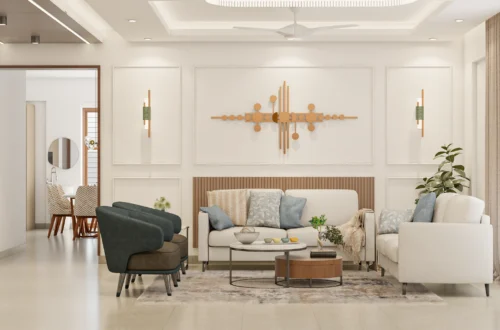

Transforming a house into a home is a deeply personal journey. While many homeowners have a vision, executing that vision requires a blend of creativity, technical skill, and project management.
Hiring professional interior design services can bridge the gap between a dream and reality, ensuring your space is both beautiful and functional. To help you navigate this process, here are six critical factors to consider before making your choice.
Define Your Personal Style and Vision
Before you begin interviewing firms, you must have a baseline understanding of your aesthetic preferences. Are you drawn to the clean lines of minimalism, or do you prefer the warmth of a bohemian retreat? Look through portfolios to see if a designer’s previous work resonates with your taste.
A versatile professional can adapt to various styles, but finding someone whose “creative DNA” matches yours often leads to a more seamless collaboration during the interior design process.
Establish a Clear and Realistic Budget
Transparency regarding finances is the cornerstone of a successful renovation. Interior designers work with various fee structures, including flat rates, hourly fees, or a percentage of the total project cost. Beyond the design fee, you must account for materials, furniture, and labor.
A skilled designer will help you prioritize spending, showing you where to splurge on statement pieces and where to save without compromising the overall integrity of the interior design.
Check Credentials and Past Experience
Experience matters, especially when dealing with structural changes or complex lighting plans. Investigate the designer’s educational background and professional affiliations. Ask for references and, if possible, speak with former clients about their experiences.
You want to ensure the team is not only creative but also organized and capable of handling the logistical challenges that inevitably arise during a home transformation.
Assess Communication and Compatibility
You will be spending a significant amount of time communicating with your designer, so a good rapport is essential. During your initial consultation, observe how well they listen to your needs. Do they ask insightful questions?
Do they seem genuinely interested in your lifestyle? The best interior design comes from a partnership where the client feels heard and the designer feels empowered to offer expert advice.
Understand the Scope of Services Offered
Not all design firms provide the same level of involvement. Some may offer “e-design” (mood boards and shopping lists), while others provide “full-service” management, which includes everything from drafting floor plans to overseeing contractors and final styling.
Clarify exactly what is included in the contract to avoid any misunderstandings regarding the procurement of furniture or the management of third-party vendors.
Evaluate the Project Timeline
Great design takes time, but it should still operate within a reasonable schedule. Ask potential designers about their current workload and when they can realistically start and finish your project.
A clear timeline helps manage expectations and ensures that your home isn’t a construction zone for longer than necessary. Proper planning at the start prevents costly delays down the road.